
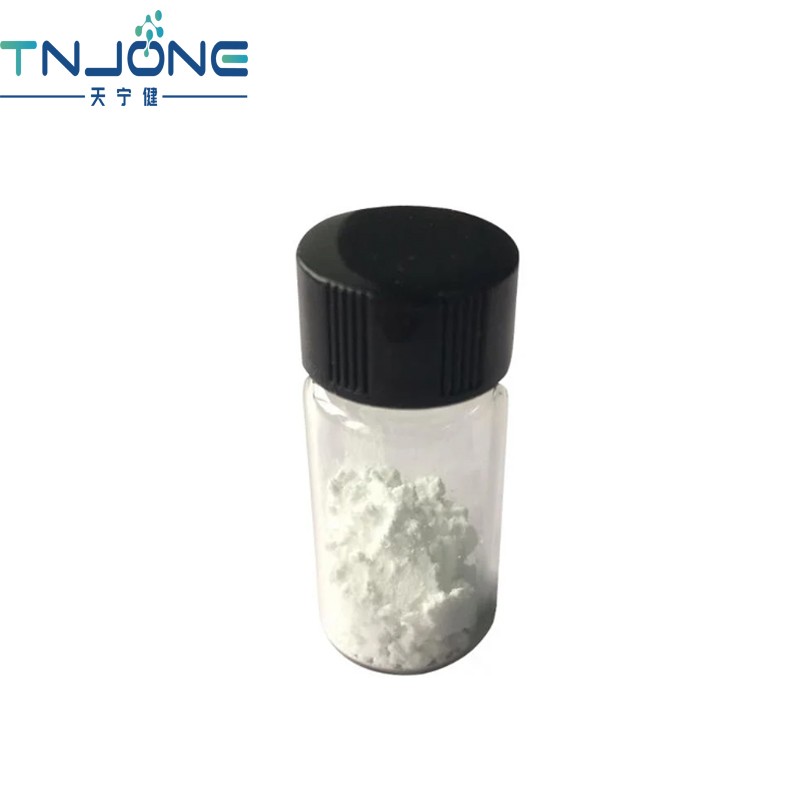
Introduction:
English name: MOTS-c
English alias: Mitochondrial derived peptide; MOTS-C ACETATE; Mitochondrial derived peptide MOTS-C (HUMAN); Mitochondrial derived peptide (MOTS-C); Compound MOTS-C
Appearance: White powder
Relative molecular mass: 2174.62
CAS RN: 1627580-64-6
Molecular formula: C101H152N28O22S2
Content: ≥99% (HPLC)
EINECS No.: 200-001-8
Storage conditions: -20℃, valid for 2 years, please use within one month after dissolving in solvent at -20℃.
MOTS-c(human) is a kind of mitochondrial derived peptide (MDP). The main physiological function is to promote the biosynthesis of endogenous AMP analog AICAR, thereby promoting AMP-activated protein kinase (AMPK), and at the same time can enhance the induced cell's demand for glucose uptake and improve insulin sensitivity. As a drug raw material, it is a potential weight loss peptide raw material and has a good anti-aging effect.
MOTS-c is a small peptide produced by mitochondria. It consists of 16 amino acids and is encoded in the mitochondrial DNA of human cells. MOTS-c plays an important role in regulating metabolism and enhancing insulin sensitivity, so it has attracted widespread attention in the study of diabetes, obesity and metabolic diseases related to aging.
The main characteristics and functions of MOTS-c:
1. Regulating metabolism: MOTS-c helps maintain the body's energy balance by regulating metabolic processes such as glucose metabolism and fatty acid oxidation. It can promote the use of glucose by cells, improve insulin sensitivity, and lower blood sugar levels, which has potential therapeutic significance for diabetic patients.
2. Anti-obesity effect: MOTS-c can promote fat decomposition and reduce fat accumulation, helping to resist obesity associated with a high-fat diet. In addition, it can also increase the body's energy consumption and help with weight management.
3. Anti-aging potential: Studies have shown that MOTS-c plays a role in delaying age-related metabolic function decline, and may fight metabolic disorders and oxidative stress caused by aging.
4. Regulation of mitochondrial function: The role of MOTS-c is directly related to mitochondrial function, which is the core of cellular energy generation. MOTS-c maintains normal cell function and resists external stress by regulating mitochondrial activity and metabolic signals.
5. Exercise enhancement: Some studies have shown that MOTS-c has the potential to increase exercise endurance by improving the metabolic pathways of muscle cells and improving the efficiency of energy utilization during exercise.
Clinical research and application:
At present, MOTS-c is mainly in the experimental research stage, and animal experiments have shown its potential efficacy in metabolic diseases (such as obesity, diabetes) and delaying aging. Although its research is relatively new and has not yet been widely used in human treatment, it has great development potential as a new metabolic regulator.
Further clinical trials are needed to verify the safety and effectiveness of MOTS-c in humans, especially in the treatment of metabolic diseases and anti-aging.
Service Hotline:
+8618092446649Business Cooperation:
lily@tnjone.comTalent Recruitment:
lily@tnjone.com


