
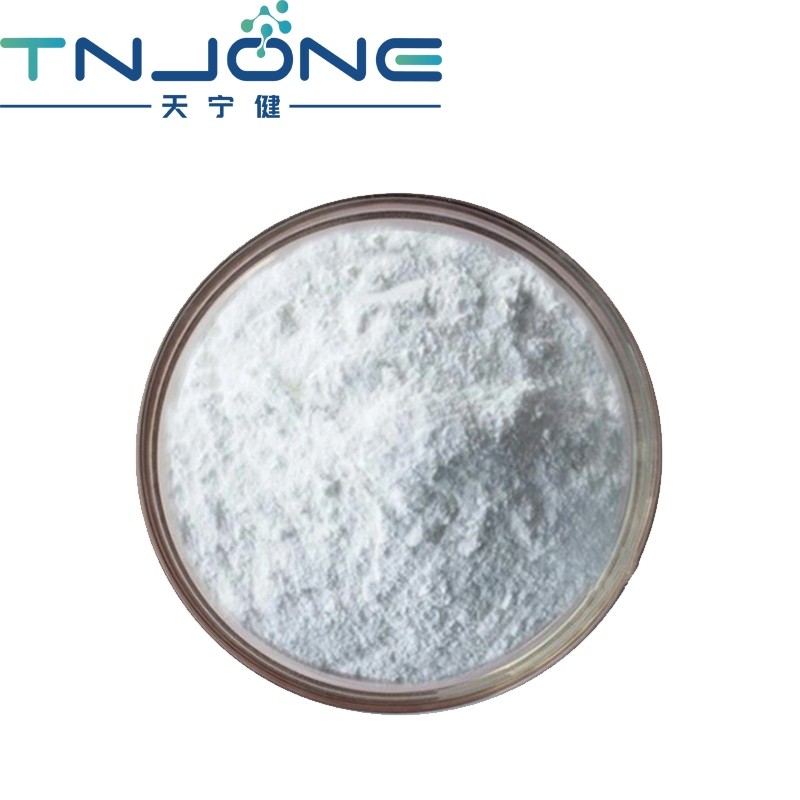
Neomycin Sulfate is a broad-spectrum aminoglycoside antibiotic widely used in veterinary medicine, especially for the treatment of various bacterial infections. It has inhibitory effects on both Gram-positive and Gram-negative bacteria and is commonly used in poultry, pigs, cattle and other livestock.
Melting point: >187°C (dec.)
Specific rotation: D20 +54° (c = 2 in H2O)
Refractive index: 56 ° (C=10, H2O)
1. Pharmacological action
Neomycin sulfate exerts its antibacterial effect by inhibiting bacterial protein synthesis and interfering with bacterial growth and reproduction.
It is effective against a variety of bacteria (such as Escherichia coli, Salmonella and Staphylococcus aureus).
2. Indications
Intestinal infections: used to treat acute enteritis and diarrhea caused by bacteria.
Respiratory infections: can be used to treat upper and lower respiratory tract infections caused by bacteria.
Skin infections: suitable for the treatment of various skin and soft tissue infections.
Urinary tract infection: used to treat bacterial infections of the urinary system.
3. Administration
Neomycin sulfate can be administered orally, by injection or topical application.
The specific dosage and course of treatment should be adjusted according to the advice of the veterinarian, usually based on the weight and health of the animal.
4. Precautions
Allergic reactions: Some animals may be allergic to aminoglycoside antibiotics, so the health of the animal should be confirmed before use.
Renal toxicity: Long-term or high-dose use may cause renal toxicity, so the health of the animal should be closely monitored during use.
Withdrawal period: In animals using neomycin sulfate, the prescribed withdrawal period should be followed to avoid drug residues from affecting human health.
Pregnancy and lactation: When using, special attention should be paid to the safety of pregnant and lactating animals, and the advice of the veterinarian should be followed.
The wide application of neomycin sulfate in veterinary medicine provides an effective antibacterial means for the treatment of animal diseases, which helps to improve the health level and production efficiency of animals. The advice of the veterinarian should be followed during use to ensure the safety and effectiveness of the medication.
Service Hotline:
+8618092446649Business Cooperation:
lily@tnjone.comTalent Recruitment:
lily@tnjone.com


