
Introduction:
English name: tranexamic acid
English alias: tranexamic acid, trans-4-aminomethylcyclohexanecarboxylic acid, tranexamic acid, hemostatic acid
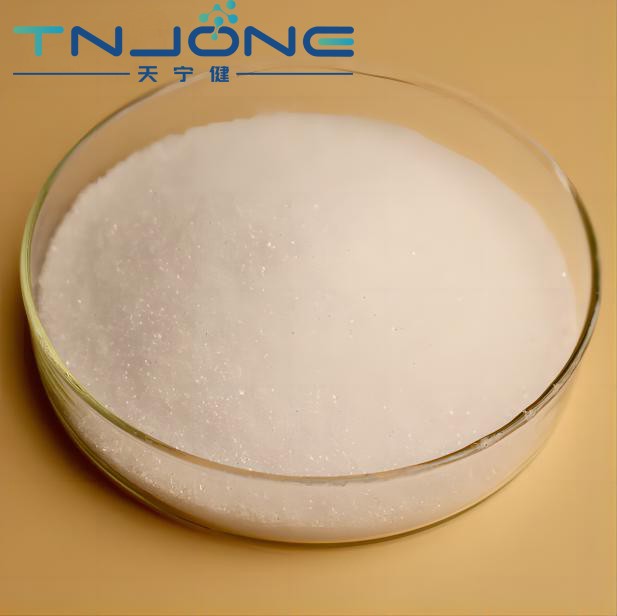
Appearance: white crystalline powder
Relative molecular weight: 157.21
CAS RN: 1197-18-8
EINECS number: 214-818-2
Molecular formula: C8H15NO2
Boiling point: 300.2℃ at 760 mmHg
Density: 1.095 g/cm3
Solubility: soluble in water, acid and alkali, almost insoluble in ethanol, acetone, chloroform or ether.
Content: ≥99% (HPLC)
Tranexamic acid, also known as tranexamic acid, tranexamic acid, hemostatic acid, chemical name is trans-4-aminomethylcyclohexanecarboxylic acid, is an organic compound with a chemical formula of C8H15NO2, mainly used as a hemostatic drug.
Pharmacological action
Tranexamic acid, also known as tranexamic acid, chemical name 4-aminomethylcyclohexanecarboxylic acid, trade name tolceramine. Tranexamic acid is a synthetic amino acid antifibrinolytic drug that can competitively inhibit the binding of lysine of fibrin to plasmin, thereby inhibiting the cleavage of fibrin clots and producing a hemostatic effect. It is mainly used clinically for various bleeding caused by hyperfibrinolysis. Tranexamic acid is a synthetic lysine analog that can competitively bind to the lysine binding sites on plasminogen and plasmin, thereby competitively inhibiting the degradation of fibrin, reducing fibrinolytic activity, and exerting a procoagulant effect. In theory, the use of tranexamic acid can lead to insufficient fibrinolytic activity, so there is a possibility of an increased risk of postoperative thrombotic events.
Uses
Tranexamic acid is a synthetic derivative of lysine, an antifibrinolytic drug, and has hemostatic properties. Tranexamic acid can strongly adsorb to the lysine binding site (LBS) of the fibrin affinity site on plasmin and plasminogen, inhibiting the binding of plasmin and plasminogen to fibrin, thereby strongly inhibiting the fibrin decomposition caused by plasmin; in addition, in the presence of anti-plasmins such as macroglobulin in serum, the anti-fibrinolytic effect of tranexamic acid is more obvious. Its bioavailability is 34% and its half-life is 3.1h.
Uses
Hemostatic drugs have significant effects on traumatic bleeding, and preoperative preventive medication can reduce surgical bleeding.
Uses
Tranexamic acid is a synthetic lysine analogue and a common anti-fibrinolytic drug. It was originally used clinically for hemostasis. In recent years, a lot of in-depth research has been conducted on it in the field of skin beauty, confirming that tranexamic acid has the effects of inhibiting angiogenesis, reducing melanin production, anti-inflammatory, anti-allergic, anti-skin natural aging and photoaging, and can be used for chloasma, post-inflammatory pigmentation
Service Hotline:
+8618092446649Business Cooperation:
lily@tnjone.comTalent Recruitment:
lily@tnjone.com


