
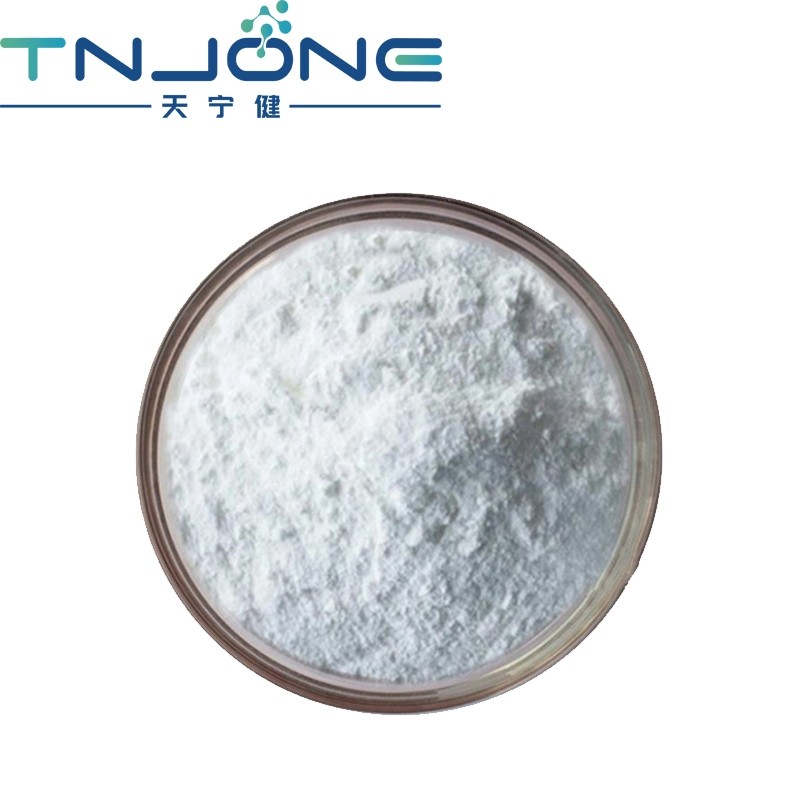
Cefalexin is a broad-spectrum cephalosporin antibiotic widely used in veterinary medicine, mainly for the treatment of bacterial infections in animals. It is effective against a variety of Gram-positive bacteria and some Gram-negative bacteria.
Melting point: 196-198°C
Specific rotation: [α] D20 +144 ~ +158° (c = 0.5, H2O) (Calculated on dehy chemical book drop basis)
Boiling point: 727.4 ± 60.0°C (Predicted)
Density: 1.3040 (rough estimate)
1. Pharmacological action
Cefalexin inhibits the synthesis of bacterial cell walls, resulting in damage to the integrity of bacterial cell walls, thereby inhibiting bacterial growth and reproduction, and has a strong antibacterial effect.
2. Indications
Respiratory tract infections: used to treat respiratory infections such as pneumonia and bronchitis caused by bacteria.
Skin and soft tissue infections: Suitable for the treatment of skin infections, wound infections and other soft tissue infections.
Urinary tract and urinary system infections: Can be used to treat bacterial infections of the urinary system, such as cystitis and urethritis.
Gastrointestinal infections: Sometimes used to treat gastrointestinal infections caused by bacteria.
3. Dosage
Cephalexin can be administered orally or by injection, and the specific usage should be adjusted according to the advice of the veterinarian.
The recommended dose is usually a certain amount per kilogram of body weight, and the course of treatment depends on the type and severity of the infection.
4. Precautions
Allergic reactions: Some animals may be allergic to cephalosporins, and the animal's allergy history should be confirmed before use.
Withdrawal period: In animals using cephalexin, the prescribed withdrawal period must be followed to avoid drug residues that may affect human health.
Pregnancy and lactation: When using, pay special attention to pregnant and lactating animals and follow the guidance of veterinarians.
Service Hotline:
+8618092446649Business Cooperation:
lily@tnjone.comTalent Recruitment:
lily@tnjone.com


